The radial cut: how a Maanta shade sail is made

Hi ,
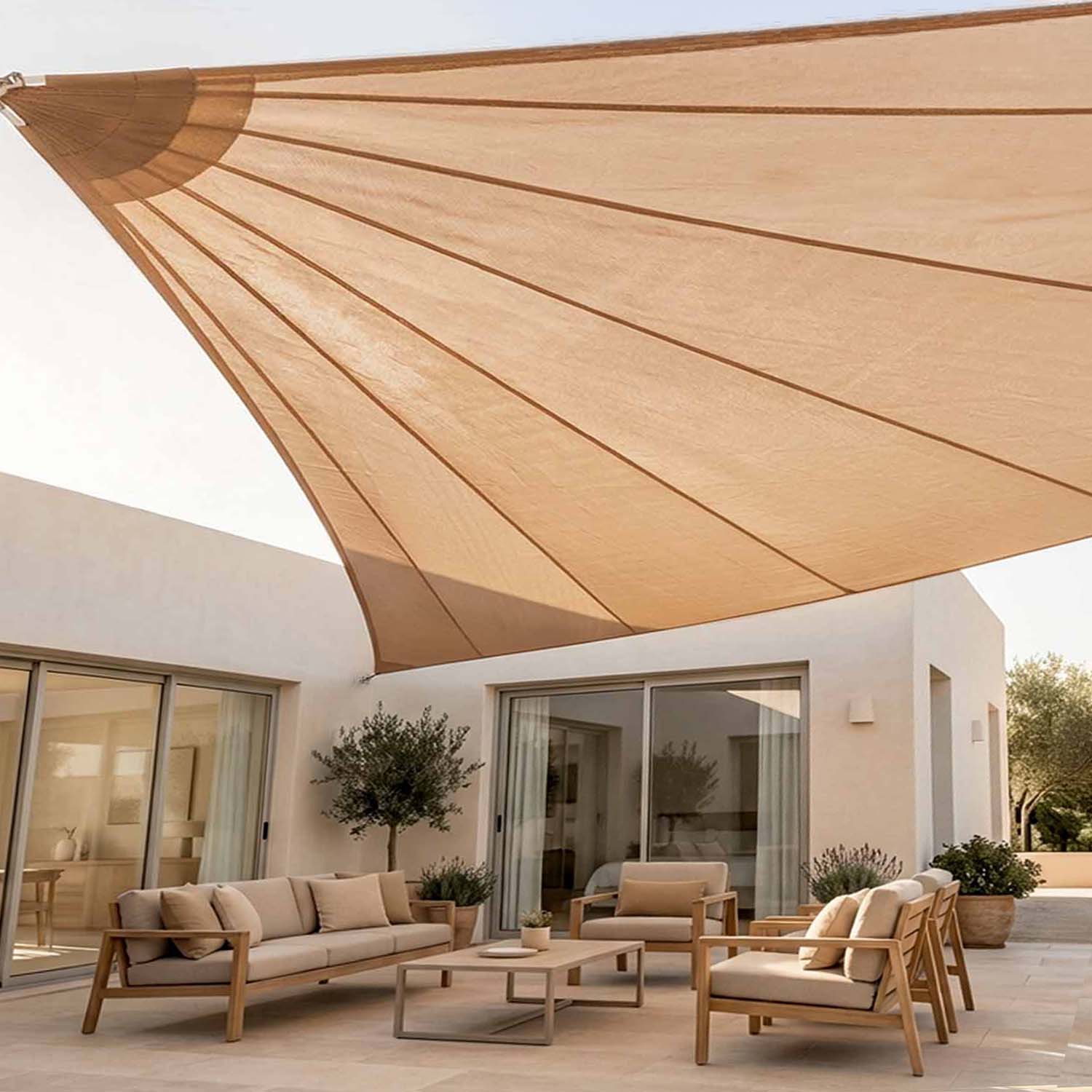
There’s a reason why a Maanta shade sail stands up to the wind: the way it’s cut. Today we’re sharing what radial cut really means.

Radial cut

A construction technique born in racing sails

In 1983, New Zealand designer Tom Schnackenberg revolutionised sail construction for the Australia II team: the fabric panels were no longer sewn in parallel, but cut from the corners towards the centre in a radial pattern.

The result was a sail that distributes tension across the entire surface, rather than concentrating it in just a few points. 

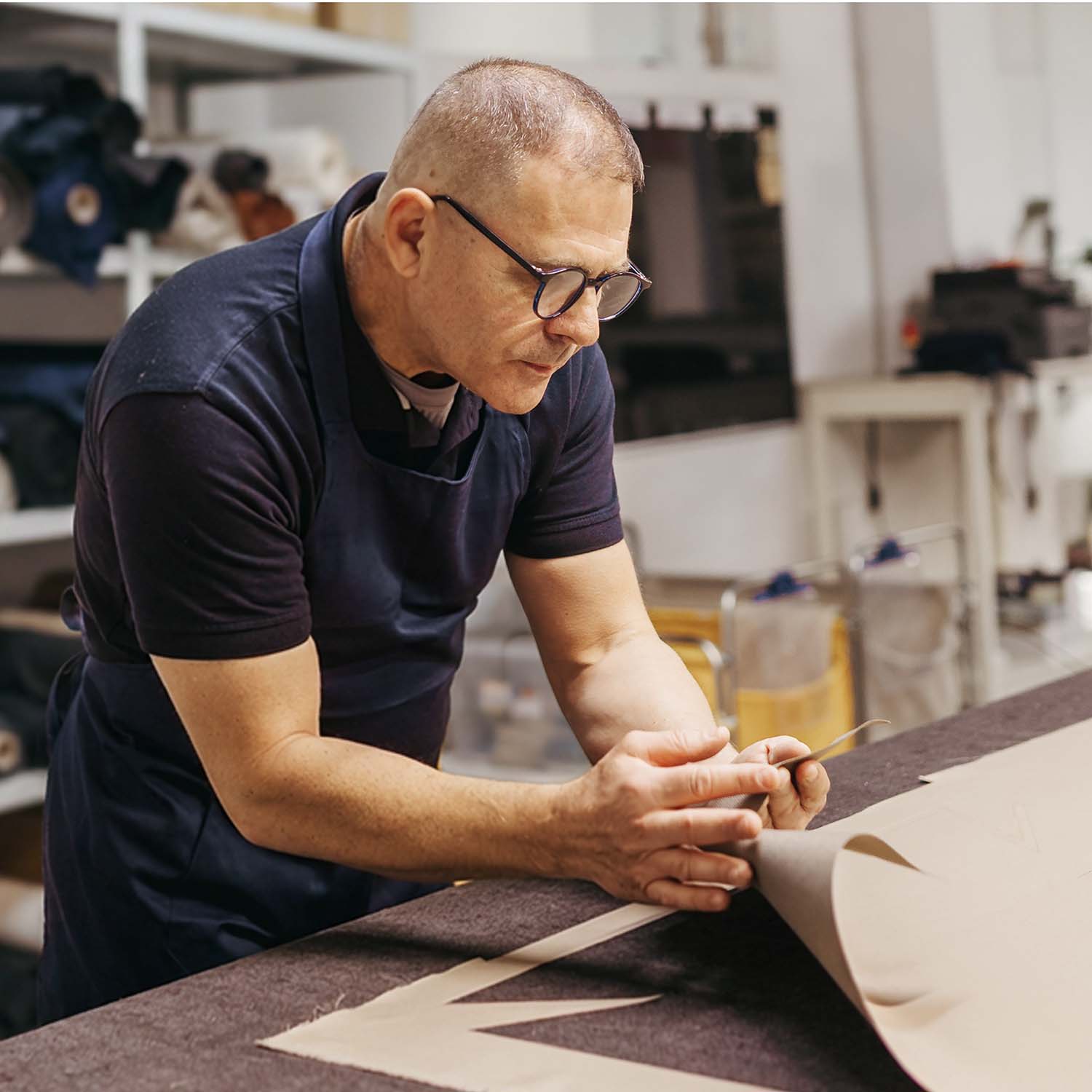
We use the very same technique for every shade sail produced in our atelier in Gambellara. Discover more about radial cut.

Our radial cut comes from skilled craftsmanship

Each shade sail is cut piece by piece, following the natural direction in which tension spreads. 

It requires more fabric, more time and greater care than a parallel cut (cross cut). But that’s exactly what makes the difference: when the wind pushes, the load is spread across the entire surface, rather than focusing on a few stress points.  

The result is visible in the sail’s resistance - up to 90 km/h winds - and in its long-term durability, designed to bring reliable shade to British gardens and terraces.


Until the end of the month
 
  • Buy a shade sail and anchors together and save up to 10%
  • Order fabric samples for 1£ and receive a 50£ voucher for your next order

Kind regards, 
Elisa from the Maanta Team

Copyright (C) 2024 Maanta
All rights reserved

Do you want to change how you receive these emails?
You can Manage Preferences  or Unsubscribe